
The short answer
What to do first
Conventional grass seed gives homeowners flexibility but requires them to manage seed choice, coverage, and supporting materials separately. A homeowner hydroseed-style patch system combines region-selected seed with materials designed to support a small repair. Professional hydroseeding uses specialized equipment and is usually better suited to large or full-yard jobs.
What conventional grass seed asks you to manage
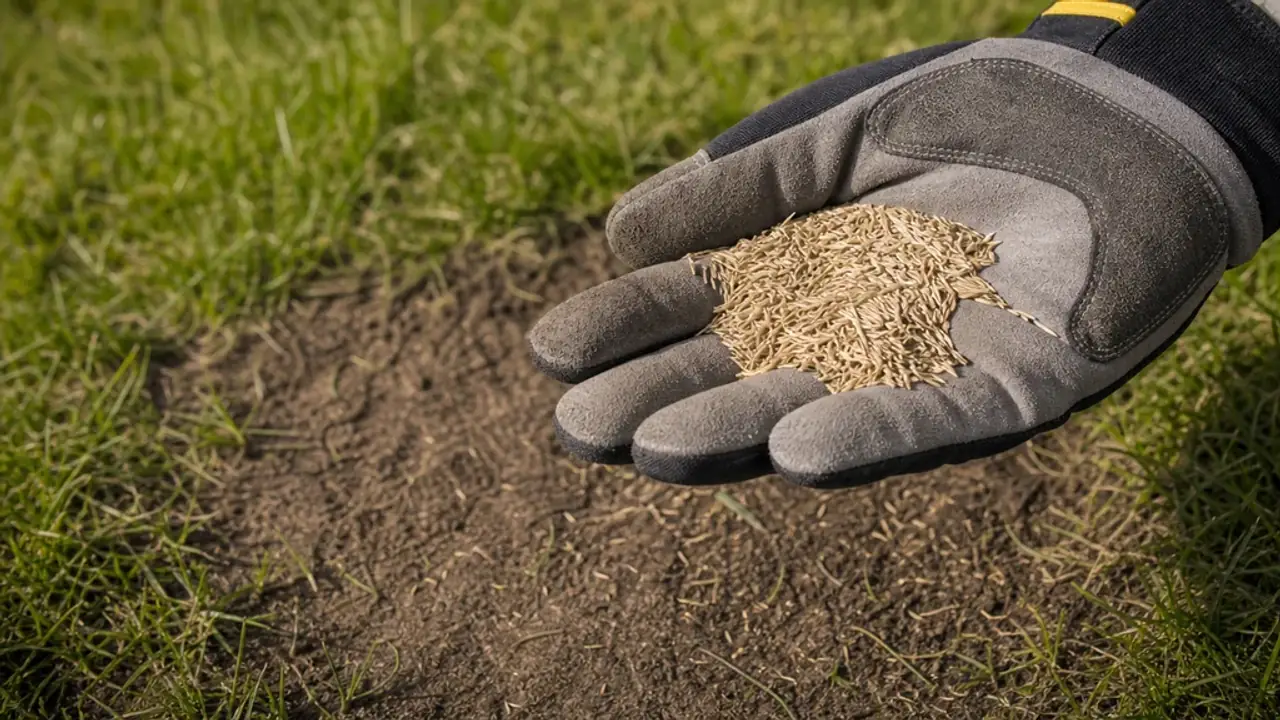
Dry seed can be a practical choice when you already understand your grass type, climate, coverage rate, soil needs, and watering routine. It also gives experienced homeowners control over each input.
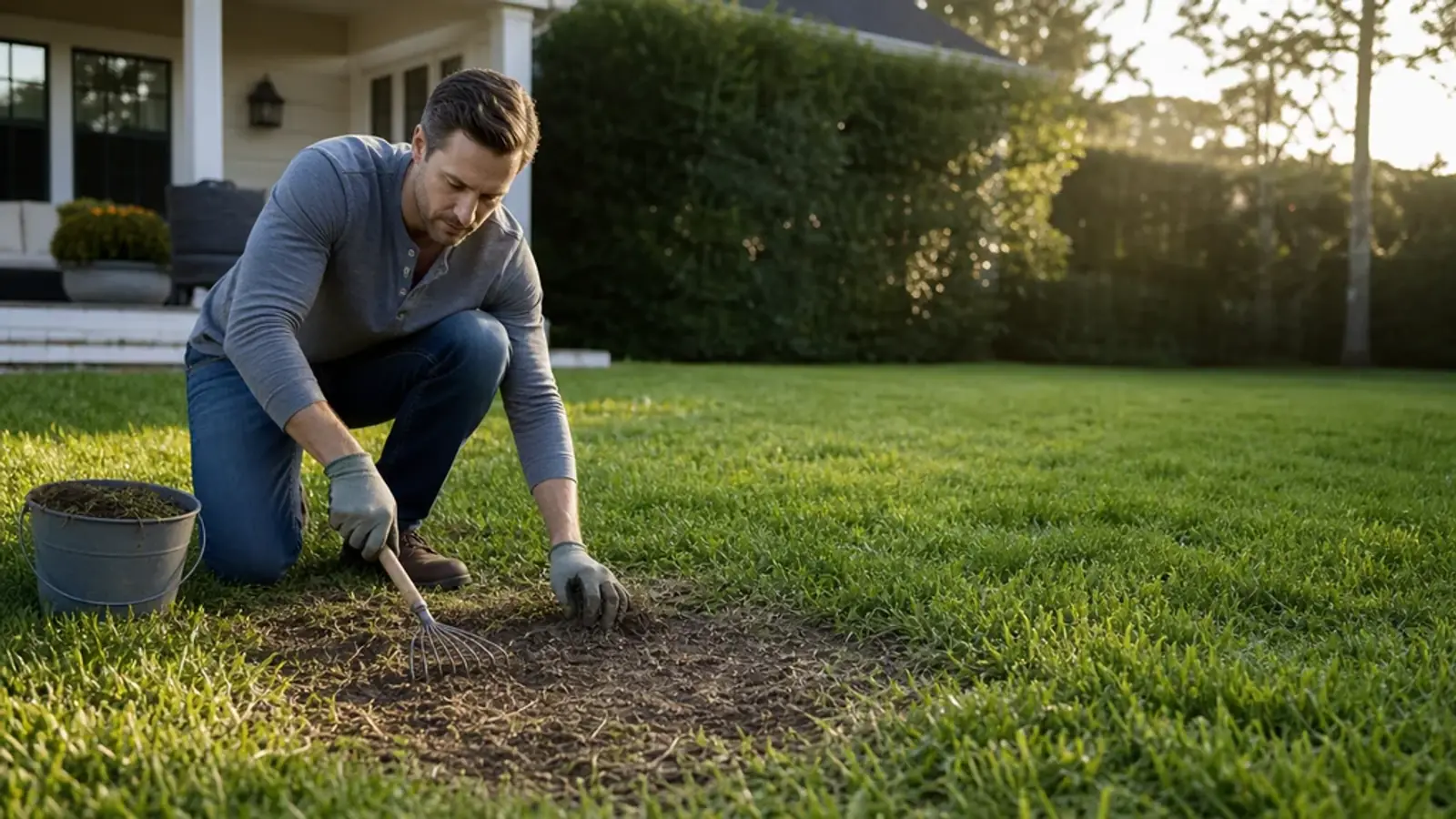
The tradeoff is that a bag of seed is only one part of a patch repair. You still need direct soil contact, the correct regional seed, even coverage, and consistent moisture.
What a homeowner hydroseed-style system changes
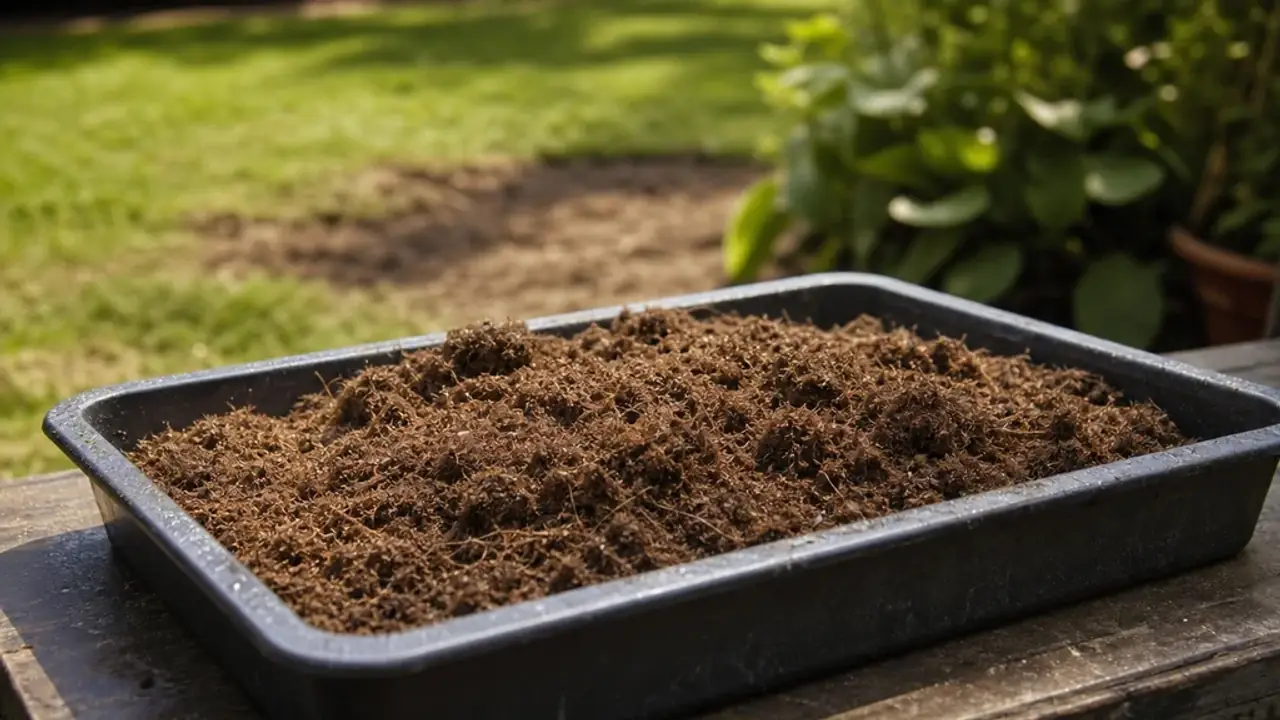
A patch-focused system organizes seed and supporting materials into one homeowner-ready process. YardDay uses region-specific seed selection rather than treating a Southern and Northern lawn as the same growing environment.
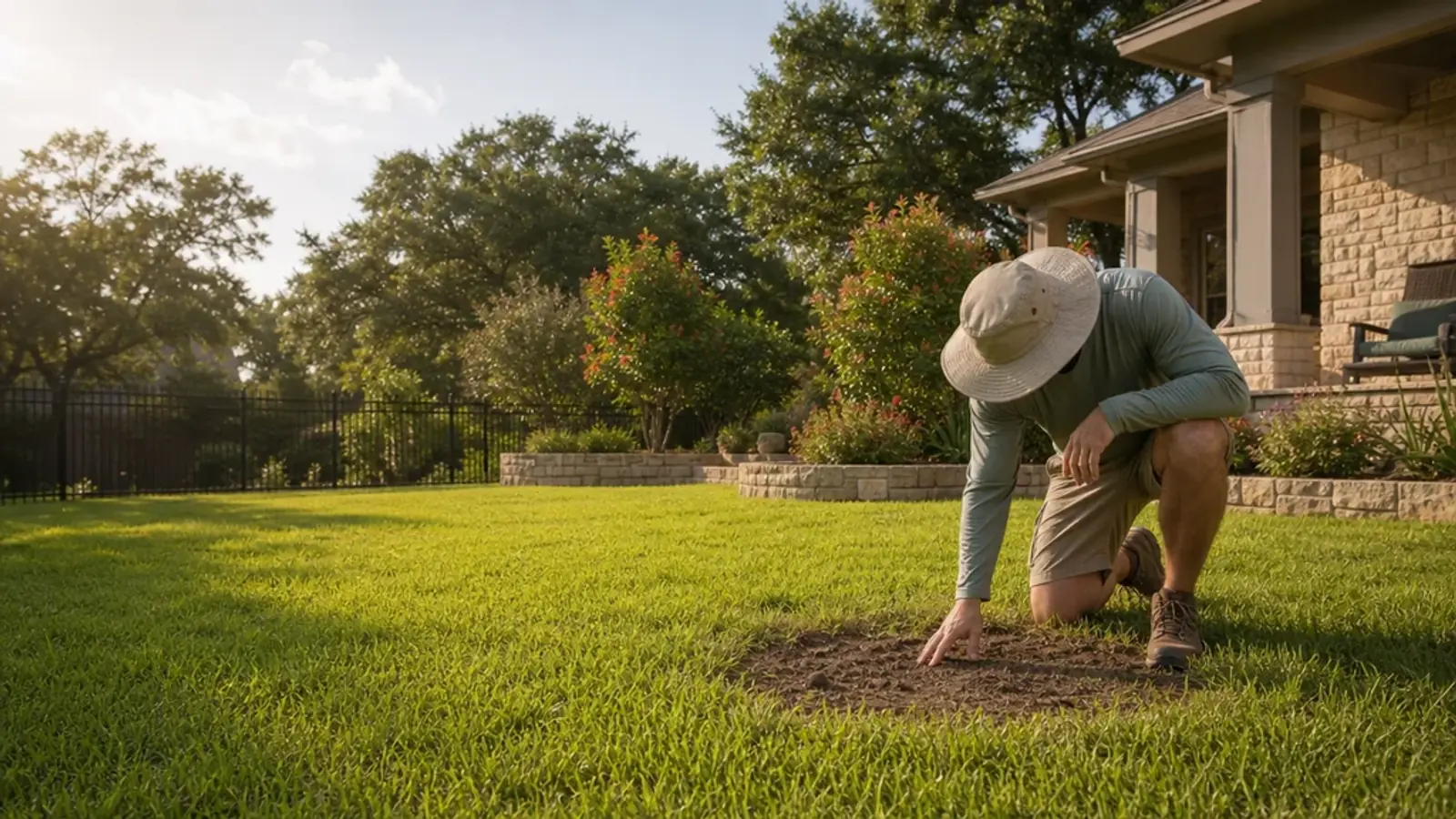
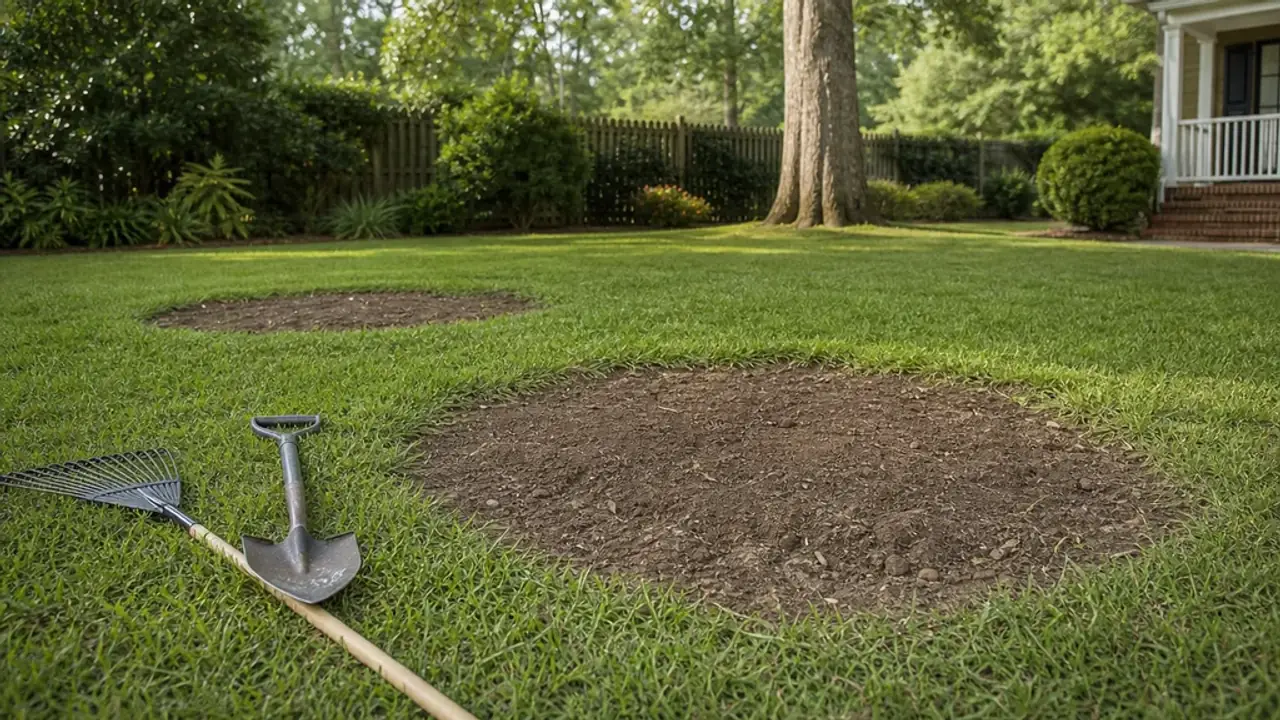
That convenience does not remove preparation or watering. The patch still needs exposed soil, correct coverage, and the full label-directed watering period.
Where professional hydroseeding fits
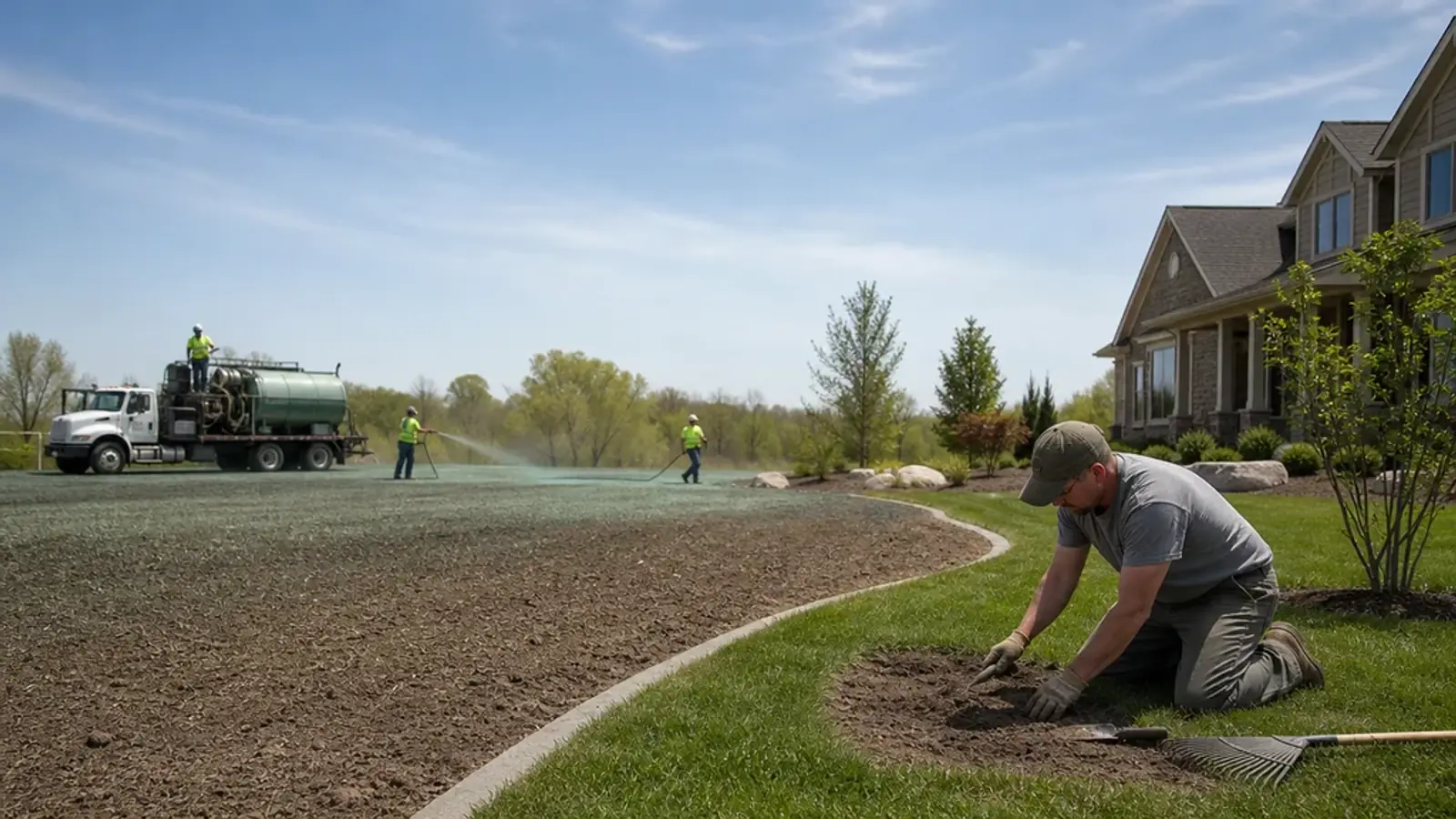
Professional hydroseeding is a separate service category. Crews use tanks, pumps, hoses, and site-scale preparation to cover large areas efficiently. That equipment can make sense for a full yard, new construction, slopes, or erosion-control work.
For one isolated patch, mobilizing a professional rig may be more capacity than the job needs. The right choice depends on area, access, grade, soil condition, and the amount of preparation required.
Choose by job size and control
Use conventional seed when you want to source and manage every part yourself. Use a homeowner patch system when you want a coordinated process for a measured repair. Call a professional when the property needs grading, erosion work, large-area coverage, or equipment you do not have.
Whichever method you choose, preparation and watering remain the common denominator.
- Small isolated patch: homeowner seed or patch system.
- Multiple measured patches: compare total coverage before buying.
- Large bare yard, slope, or construction site: get a professional assessment.
Common questions
Before you repair the patch
Is a homeowner hydroseed product the same as professional hydroseeding?
No. Professional hydroseeding is an equipment-based service for larger jobs. A homeowner hydroseed-style system packages a patch-sized process for self-application.
Is hydroseed better than grass seed for every bare patch?
No single method is best for every site. Grass type, climate, patch size, soil, drainage, shade, and the homeowner's desired level of control all affect the choice.
Do both methods require soil preparation and watering?
Yes. Neither dry seed nor a coordinated patch system replaces direct soil contact and consistent moisture.