
The short answer
What to do first
For a lawn patch in Southern heat, choose seed suited to the warm-season region, prepare the soil before the hottest part of the day, and use a consistent label-directed watering routine. Heat does not remove the need to diagnose shade, drainage, compaction, or an incompatible grass type.
Start with regional grass fit
A universal blend can contain seed that is poorly matched to a hot Southern lawn. Confirm the surrounding grass and choose a repair product intended for the region and growing season.
YardDay South is built for warm Southern conditions. South Zone is product-fit guidance, not a restriction on who can purchase it. Homeowners still need to confirm that the seed and the site fit their lawn.
Inspect the patch before the day peaks
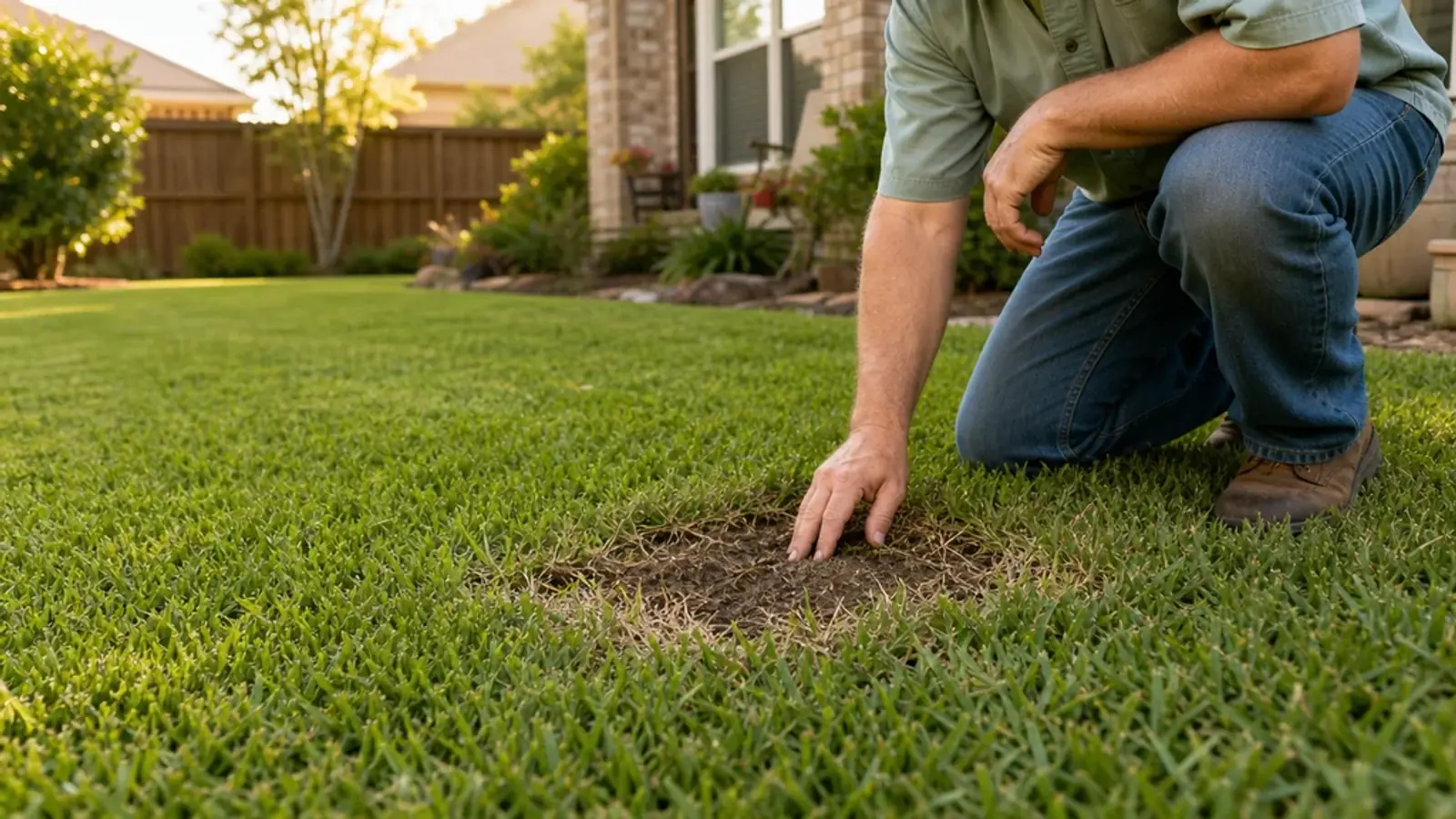
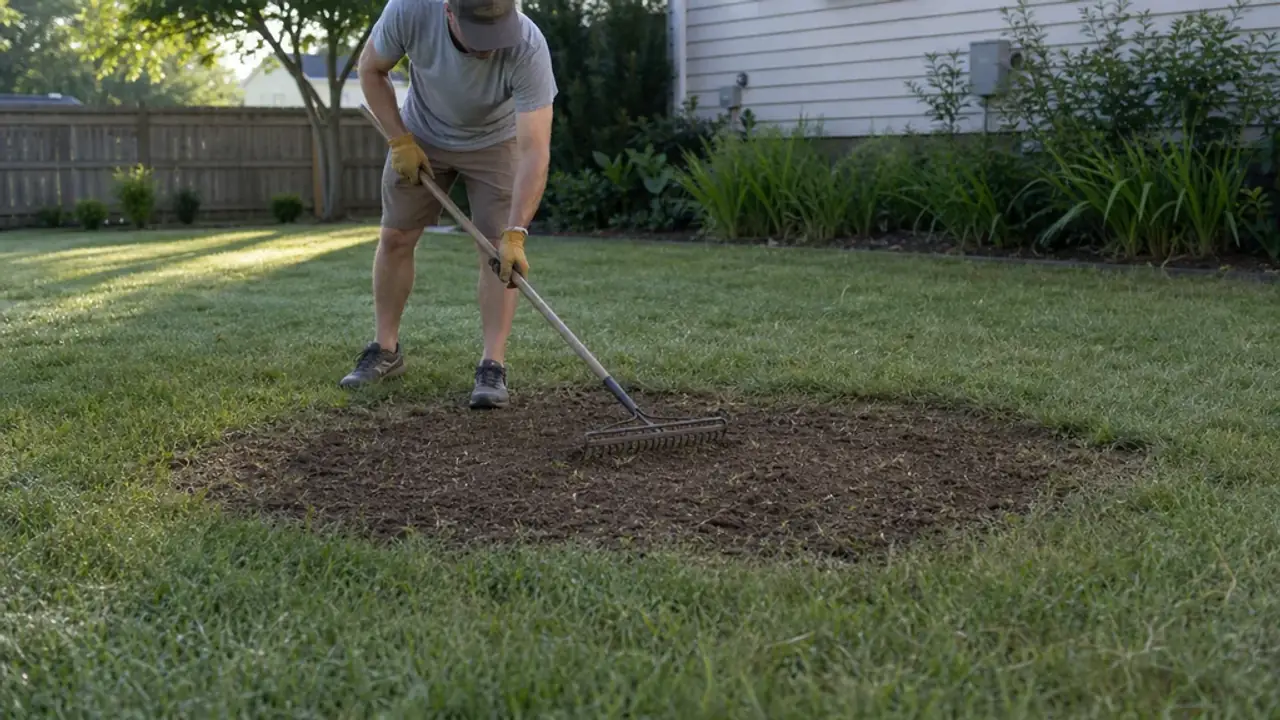
Bare soil can heat and dry faster than the surrounding turf. Prepare and water during a cooler window, then observe how quickly the surface changes. Do not assume that a hot forecast means the patch needs to be flooded.
Wind, reflected heat from pavement, and compacted soil can accelerate drying. A soft daily watering routine works only when the water reaches and remains in the prepared area.
Pair preparation with consistent moisture
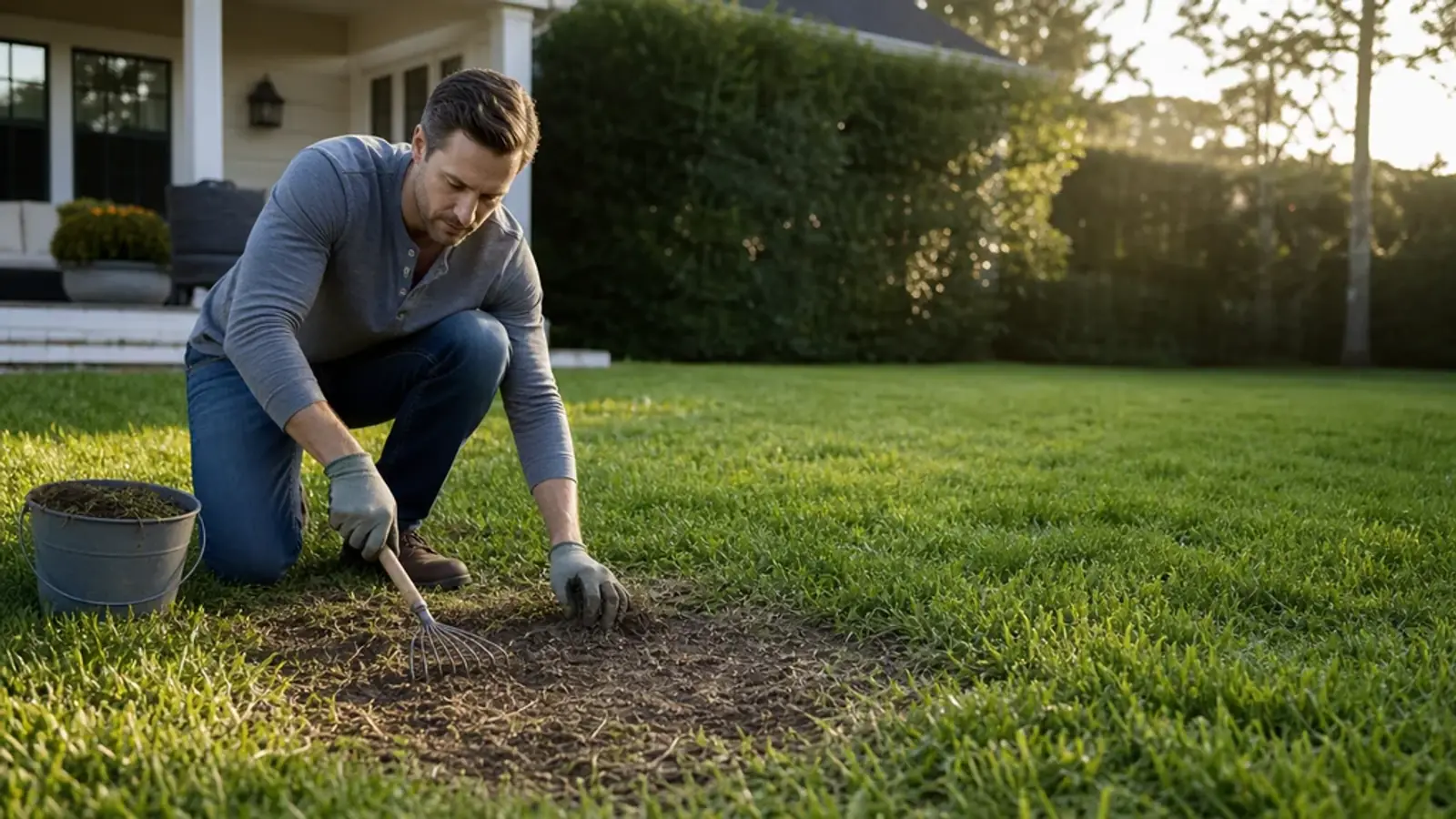
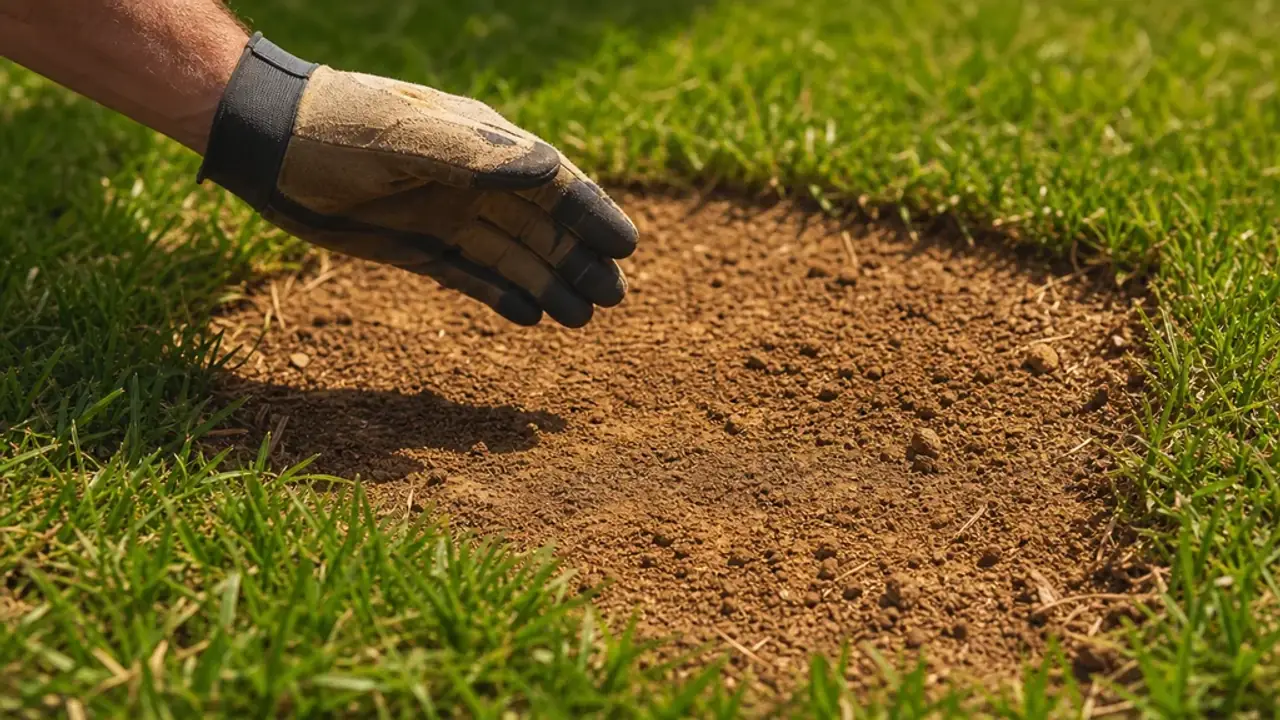
Remove debris, loosen the surface, and level the patch before application. Follow the final package directions for pre-wetting, coverage, and daily watering.
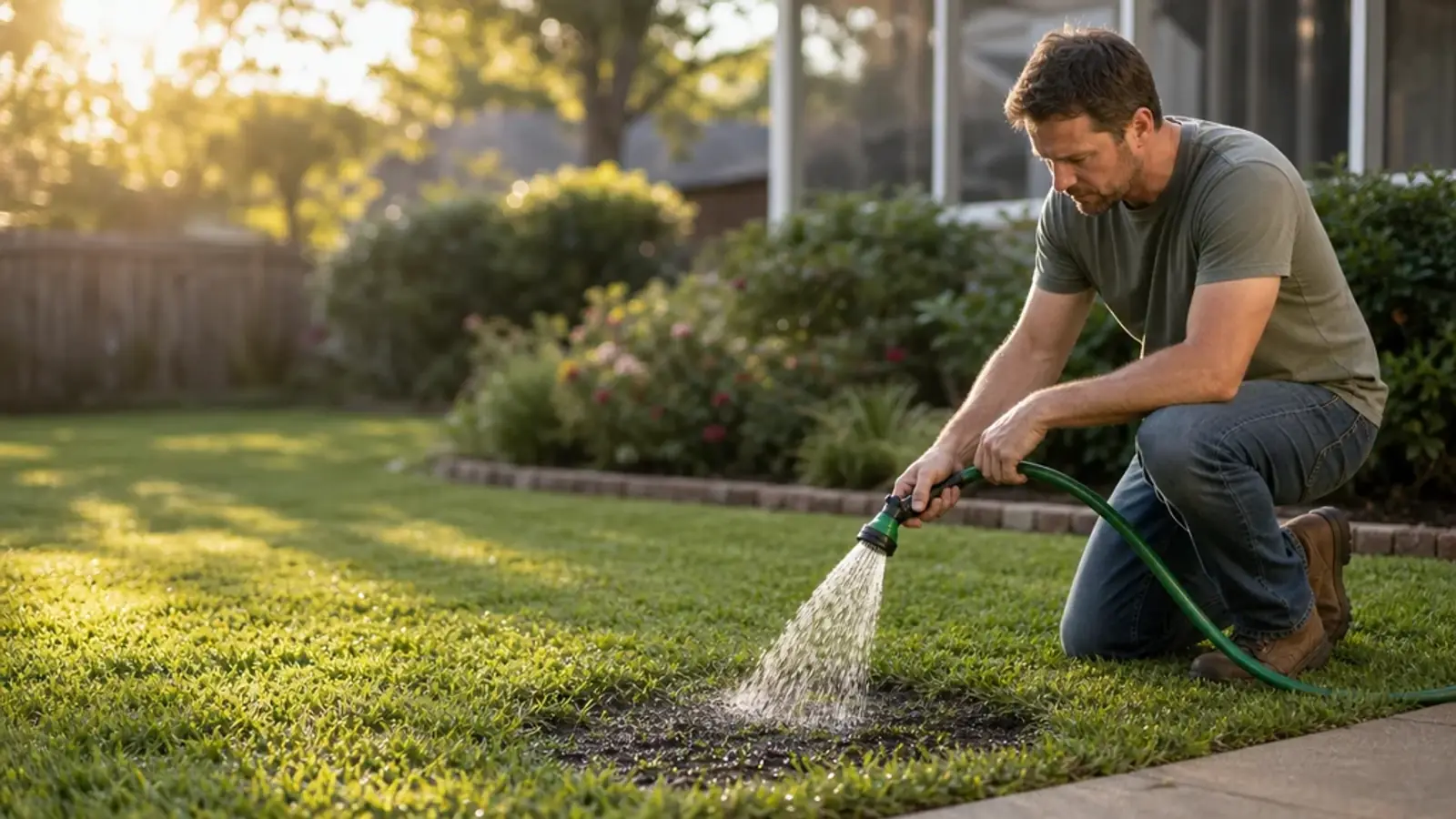
YardDay South uses a 7-14 day watering window. Green can begin showing in seven days when preparation, application, daily watering, weather, soil, and regional conditions line up.
- Use a gentle shower instead of a hard stream.
- Stop before water pools or carries material away.
- Continue through the stated window after early growth appears.
Heat is not the only Southern challenge
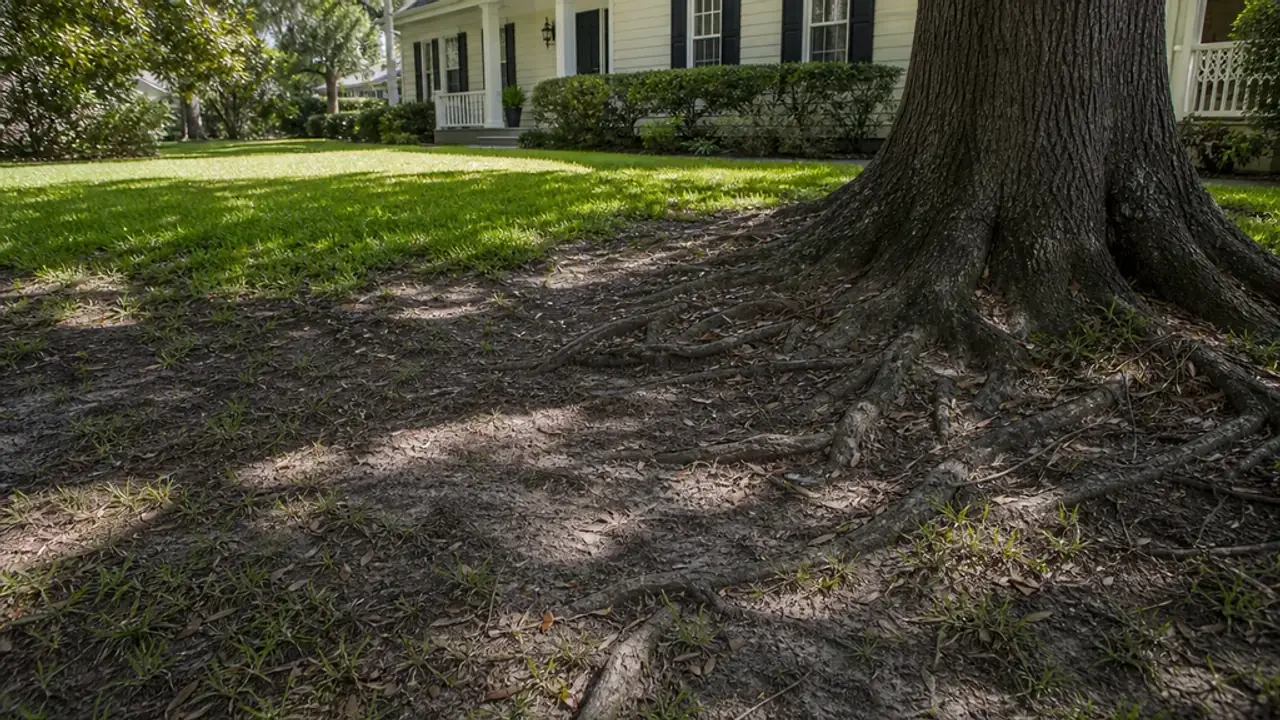
Dense tree shade, exposed roots, poor drainage, and construction compaction can all create a bare spot even when the seed is regionally correct. A patch under a mature tree may need a shade, root, or irrigation solution rather than another round of seed.
If the same area repeatedly fails, pause the repair cycle and diagnose the site.
Common questions
Before you repair the patch
Can I repair a lawn patch during hot weather?
Yes, when the grass and seed are suited to the region and you can prepare and water the patch correctly. Work during a cooler part of the day and follow the package directions.
Should I water more than once a day in Southern heat?
Do not invent a new schedule based on temperature alone. Follow the product label, inspect soil moisture, and contact support if conditions make the approved directions unclear.
Why does the same hot-weather patch keep failing?
Repeated failure can point to shade, roots, drainage, traffic, compaction, irrigation coverage, or an incompatible grass choice. Diagnose those conditions before repeating the repair.