
The short answer
What to do first
Stop repeatedly reseeding under a tree when the site cannot provide enough light for the surrounding turf species, exposed roots prevent safe soil preparation, the same boundary returns after multiple attempts, or improving the lawn would require damaging the tree. Measure light, protect major roots, and consider mulch or a site-appropriate shade planting when turf is no longer a realistic fit.
Under-tree failure is often a site limit, not a seed shortage
A tree changes more than sunlight. Its canopy can intercept rain, its roots compete for water and space, and repeated mowing or foot traffic can compact the surface. Oklahoma State Extension notes that turf in heavy shade can struggle because of limited light, traffic, compaction, and competition with trees.
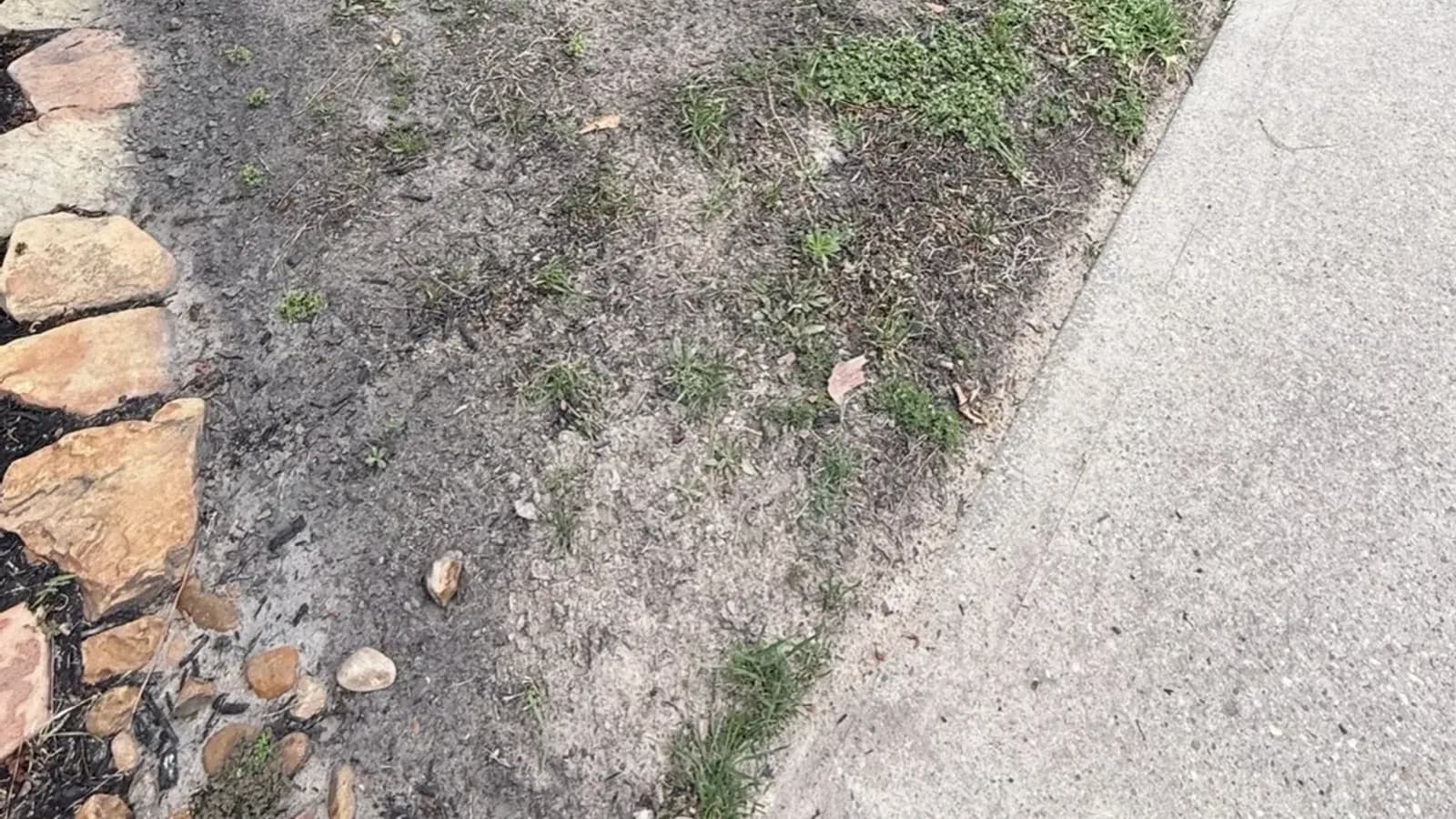
Even a grass described as shade tolerant still needs light. If a lawn thins in the same canopy-shaped boundary each season, adding more seed without changing the site repeats the same test.
Measure light and moisture before choosing turf again
Observe the area at several times on a clear day and again after the tree leafs out fully. University of Minnesota Extension describes full shade as less than three hours of sunlight and deep shade as almost no sunlight. Those categories help describe the site, but the usable threshold still depends on the grass species, climate, air movement, and care.
Check whether rain reaches the soil and whether roots occupy the surface. Dry shade can exist even when nearby open lawn receives enough rainfall. Do not compensate by keeping the trunk or root flare continuously wet.
- Record direct-sun hours after the canopy is fully leafed out.
- Check soil moisture under the canopy instead of assuming rainfall reached it.
- Identify the existing grass before selecting a supposedly shade-tolerant replacement.
Do not injure the tree to force a lawn repair
Do not cut major roots, bury the root flare, add a deep soil layer over roots, or core-aerate through large surface roots. Tree work that changes the canopy should be evaluated for tree health and structure, not done solely to brighten one patch.
University of Minnesota Extension recommends keeping mulch away from the trunk and notes that replacing turf with organic mulch can improve woody-plant health. Mulch should not be piled against bark or installed so deeply that it restricts water and oxygen.
- Keep mulch 12 to 18 inches away from the trunk or stems.
- Do not build a mulch volcano around the trunk.
- Consult a qualified arborist before root cutting or structural pruning.
If the site is borderline, change one condition before one last turf test
A final reseeding attempt is reasonable only when the site is not deep shade, the tree can remain protected, and you can identify a condition that will actually change. That change might be redirecting foot traffic, correcting sprinkler coverage outside the trunk area, selecting a grass that fits the measured light and regional climate, or having an arborist make tree-safe pruning recommendations. Buying a different bag without changing the limiting condition is not a new test.
Define the test before starting. Record direct-light hours, the grass selection, preparation that avoids major roots, how moisture will be checked, and the date when you will evaluate establishment. Keep a nearby section of the same under-tree area untreated if practical, but do not disturb additional roots just to create a comparison. The goal is to learn whether the corrected condition improves turf survival, not to manufacture a dramatic before-and-after image.
End the test if preparation exposes roots that should not be disturbed, water repeatedly runs toward the trunk, seedlings emerge and then decline in the same shade boundary, or maintaining turf requires constant moisture around the tree. At that point, the evidence favors redesigning the space rather than escalating seed, fertilizer, or irrigation.
- Change a verified limiting condition before repeating seed.
- Write the success and stop criteria before the test begins.
- Judge sustained establishment, not the first brief appearance of green.
Know when it is no longer a patch-repair job
Stop reseeding when the area receives deep shade, the same canopy-shaped failure returns, major roots prevent safe preparation, the tree is stressed, or a viable turf choice conflicts with the climate or intended lawn. A repair product cannot supply missing light or root space.
A mulched ring, a shade-adapted non-turf planting, or a deliberate path may be the more durable landscape choice. Select plants for the actual light and moisture conditions, and keep new work from damaging tree roots.
Common questions
Before you repair the patch
Will shade-tolerant grass grow in deep shade?
Not necessarily. Shade tolerance is relative, and Oklahoma State Extension notes that even shade-tolerant turf will not thrive in heavily shaded areas. Measure the site and choose by species and climate.
Can I add topsoil over exposed tree roots and seed it?
Do not bury major roots or the root flare to create a seedbed. Changing soil depth can affect root oxygen and tree health. Ask a qualified arborist about a tree-safe landscape plan.
Is mulch better than grass under a mature tree?
It can be when turf is not viable. Organic mulch can protect soil and reduce competition, but it must be kept away from the trunk and should not be installed excessively deep.
Should I prune the tree so grass can grow?
Only tree-safe pruning should be considered, and the tree's structure and health come first. Consult a qualified arborist rather than removing limbs solely to rescue a patch.